
Expert Tips for Choosing Sustainable Building Materials


Understanding the Importance of Sustainable Building Materials
As awareness of environmental issues grows, the construction industry is increasingly focusing on sustainability. Choosing the right building materials is crucial for reducing a project's environmental impact and enhancing energy efficiency. Sustainable materials offer numerous benefits, including reduced waste, lower carbon emissions, and improved indoor air quality.

Factors to Consider When Selecting Materials
Environmental Impact
When choosing sustainable building materials, consider their life cycle impact. From extraction and processing to transportation and disposal, every stage affects the environment. Opt for materials that are responsibly sourced, have low embodied energy, and can be recycled or reused.
Durability and Longevity
Durable materials reduce the need for frequent replacements, conserving resources and minimizing waste. Look for materials that can withstand the test of time, local weather conditions, and require minimal maintenance. This not only supports sustainability but also saves money in the long run.

Popular Sustainable Building Materials
Bamboo
Bamboo is a rapidly renewable resource, growing much faster than traditional timber. Its strength and flexibility make it an excellent choice for flooring, cabinetry, and structural elements. Bamboo's aesthetic appeal and versatility add value to any project.
Recycled Steel
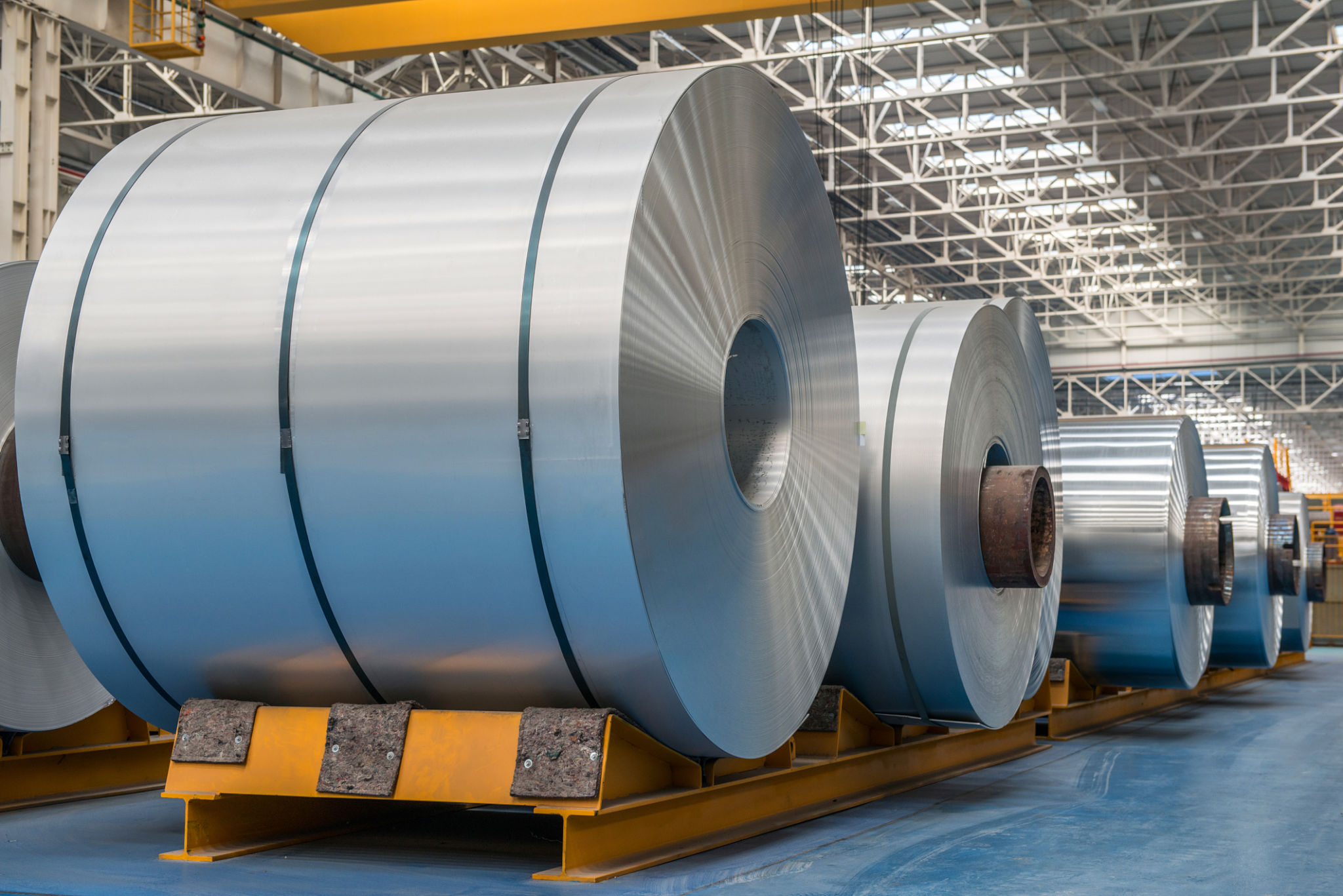
Steel is one of the most recycled materials globally, making it an environmentally friendly option. Recycled steel reduces the need for new raw materials and energy consumption. It's ideal for structural components due to its strength and durability.
Certifications and Standards
Look for Trusted Certifications
Certifications can help you identify genuinely sustainable materials. Look for labels such as LEED, FSC, or Cradle to Cradle, which indicate that the materials meet high environmental and social standards. These certifications provide assurance of quality and sustainability.
Research and Verify
While certifications are helpful, it's essential to research and verify claims. Some suppliers may engage in greenwashing, providing misleading information about their products' environmental impact. Always request detailed information and third-party verification if necessary.

Conclusion: Making Informed Choices
Choosing sustainable building materials requires careful consideration and research. By understanding the environmental impact, durability, and certification standards, you can make informed decisions that benefit both the environment and your project. Sustainable construction is not just a trend but a necessary shift towards a more responsible and eco-friendly future. Prioritize sustainability to create buildings that are both beautiful and environmentally sound.